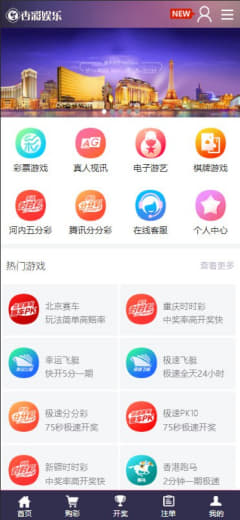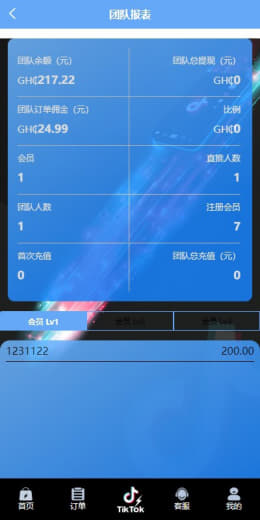
Multi-Language Cryptocurrency Trading System: Complete Guide to Second Contract Trading and Simulated Exchange Platform
Multi-Language Cryptocurrency Trading System: Complete Guide to Second Contract Trading and Simulated Exchange Platform
When I helped a fintech team build their cryptocurrency trading platform last year, I encountered this second contract trading system. The client required support for multi-language interfaces while integrating time-based trading gameplay. It took about a month and a half of development before the entire system was running smoothly. This system has considerable technical difficulty, so today I am organizing the complete setup process for developers with similar requirements.
1. Detailed System Functionality Overview
This multi-language cryptocurrency trading system supports second contract trading and time-based trading. The front-end is developed based on Vue. The back-end is fully open-source PHP with support for Docker rapid deployment. It primarily solves these core problems:
1.1 Second Contract Trading Module
Second contract is a relatively popular form of contract trading in recent years. Users can complete a trade within a few seconds to a few minutes with quick settlement. The system supports custom contract varieties, trading cycles, take-profit and stop-loss ratios, and other parameters. Testing shows support for more than 5,000 concurrent online trading users.
The risk control module is quite complete, supporting core functions such as position management, forced liquidation, and automatic loss distribution. The admin panel enables real-time monitoring of all user positions and profit/loss data.
1.2 Multi-Language Interface Support
The system has a built-in comprehensive multi-language solution, default support for Chinese, English, Vietnamese, Thai and other commonly used languages in Southeast Asia. Each language has an independent configuration file where you can customize interface text, prompt messages, help documentation, and more.
The multi-language switching response is very fast. Testing shows switching latency is within 100ms, providing a good user experience.
1.3 Time-Based Trading
Time-based trading is another form of trading where users make buy/sell decisions at fixed time points. The system supports custom start time, trading duration, settlement method, and other parameters. Multiple trading varieties can be configured to run simultaneously.
The time-based trading UI design is quite intuitive. Core elements like K-line charts, trading windows, and countdowns are clear at a glance.
1.4 Simulated Exchange Function
The system has a built-in simulated exchange function that can simulate real cryptocurrency spot trading, margin trading, and other scenarios. This part of the functionality is mainly used for testing and training purposes.
2. Pre-Setup Preparations
Before starting setup, it is recommended to confirm the following points:
- Server Configuration: Recommended 4 cores and 8GB RAM or above, with bandwidth of at least 10Mbps. For multi-region deployment, it is recommended to deploy independent nodes in each region.
- Domain and SSL: HTTPS configuration is mandatory. Applying for OV or EV certificates is recommended to enhance user trust.
- Payment Channels: Need to integrate USDT (TRC20) payment collection channels in advance, which is the main method for cryptocurrency deposit and withdrawal.
- Technical Readiness: Familiar with Vue.js, PHP, and Redis. Having financial trading system development experience is a plus.
- Legal Compliance: Cryptocurrency trading involves regulations in multiple countries and regions. It is recommended to clarify the regulatory policies of target markets first. Some regions have special licensing requirements for such businesses.
3. Common Issues and Pitfall Records
3.1 High-Concurrency Order Processing Issues
Second contract trading has high requirements for system concurrent processing capability. During peak periods, testing shows single order processing latency must not exceed 50ms, otherwise users will clearly feel lag. It is recommended to use Redis for order queue caching, with MySQL only for final persistence.
3.2 Take-Profit and Stop-Loss Slippage Control
When take-profit or stop-loss is triggered, the actual execution price may deviate from the preset price (slippage). If slippage control is not good, user experience will be poor. It is recommended to set a reasonable slippage tolerance range and automatically expand the slippage range during extreme market conditions.
3.3 Multi-Language Translation Quality
The built-in multi-language pack is machine-translated with average quality. It is recommended to have native speakers review and proofread, especially for content involving financial terminology. Translation errors may cause users to misunderstand trading rules and lead to complaints.
4. Custom Extension Solutions
The basic version features are already quite complete. However, if your business has special needs, consider these customization directions:
- Margin Trading Module: Support users trading with leverage to amplify profits and risks
- Copy Trading System: Support users following top traders and automatically copying their positions
- Invitation Commission: Support multi-level commission mechanisms to incentivize user promotion
- Market Data Integration: Integrate real-time market data from mainstream exchanges like Binance and Coinbase
Important Notice: Cryptocurrency second contract trading systems involve high financial risks. Before officially launching, be sure to complete relevant financial regulatory compliance assessments. Some countries and regions have strict licensing requirements for such trading platforms. It is recommended to complete compliance review under professional guidance to avoid legal risks.
5. Frequently Asked Questions
Q1: Which trading varieties does the system support?
A1: Default support for contract trading of mainstream cryptocurrencies (such as BTC, ETH, USDT, etc.). New trading varieties can be custom added.
Q2: Can the second contract trading cycle be customized?
A2: Yes. The admin panel supports custom settings for trading cycles, ranging from 30 seconds to 30 minutes.
Q3: What is the minimum server configuration?
A3: Test environment can work with 2 cores and 4GB RAM. Production environment recommends 4 cores and 8GB RAM or above. If concurrent online users exceed 5,000, 8 cores and 16GB is recommended.
Q4: Does the system support mobile?
A4: Yes. The system uses Vue development and has responsive interfaces for both PC and mobile.
Q5: How is data security guaranteed?
A5: The system supports encrypted data transmission, database backups, and cold wallet storage for user assets.
Original Source: https://yanshigw.top/19613.html
#CryptocurrencyTradingSystem #SecondContractTrading #SimulatedExchange #MultiLanguageTradingSystem #CryptoPlatform
-
 支付宝扫一扫
-
 微信扫一扫
微信扫一扫