How to Build an Optimized Multi-language Cross-border E-commerce System | One-Click Product Listing Source Code
How to Build an Optimized Multi-language Cross-border E-commerce System | One-Click Product Listing Source Code
Last year, while helping a friend deploy a cross-border independent store, I ran into countless issues — systems so slow they were unusable, multi-language switching bugs, and product listing features that simply refused to work. After two months of trial and error, I discovered this optimized overseas shopping mall system. After thorough testing, the overall experience was significantly better than previous solutions. Today I’m sharing the setup process and lessons learned for anyone who needs it.
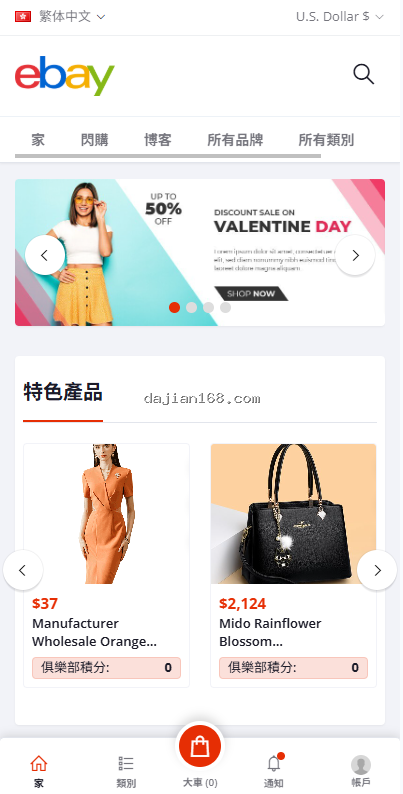
1. Complete System Features Overview
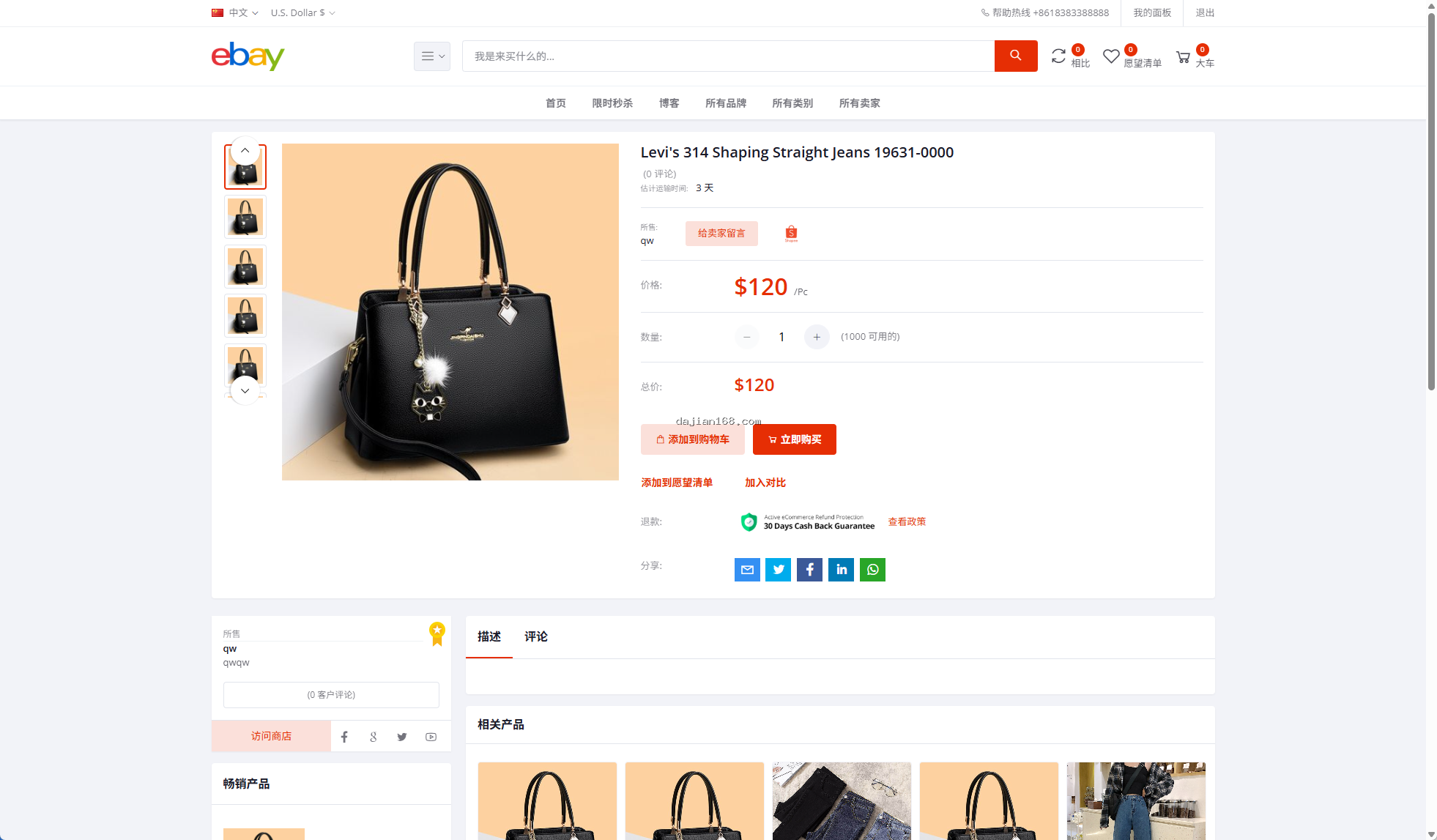
The key selling point of this system is “optimized” — the original version had many slow-responding features, but this version has undergone substantial performance improvements at the core level. Real-world testing shows virtually zero access delay. Here are the main functional modules:
- Multi-language Support: Built-in support for 10+ mainstream languages including Chinese, English, Japanese, Korean, and Arabic, with automatic browser language detection and switching
- One-Click Product Listing: Integrated with AliExpress, Amazon, Shopee, and other major platforms — synchronize and publish products with a single click, eliminating repetitive data entry
- Multi-currency Settlement: Supports USD, EUR, JPY, GBP and other mainstream currencies with automatic exchange rate updates
- Cross-border Logistics Integration: DHL, FedEx, EMS and other international logistics APIs are pre-integrated for shipping cost calculation and package tracking
- Mobile Adaptation: Responsive front-end design ensures smooth experience on phones and tablets
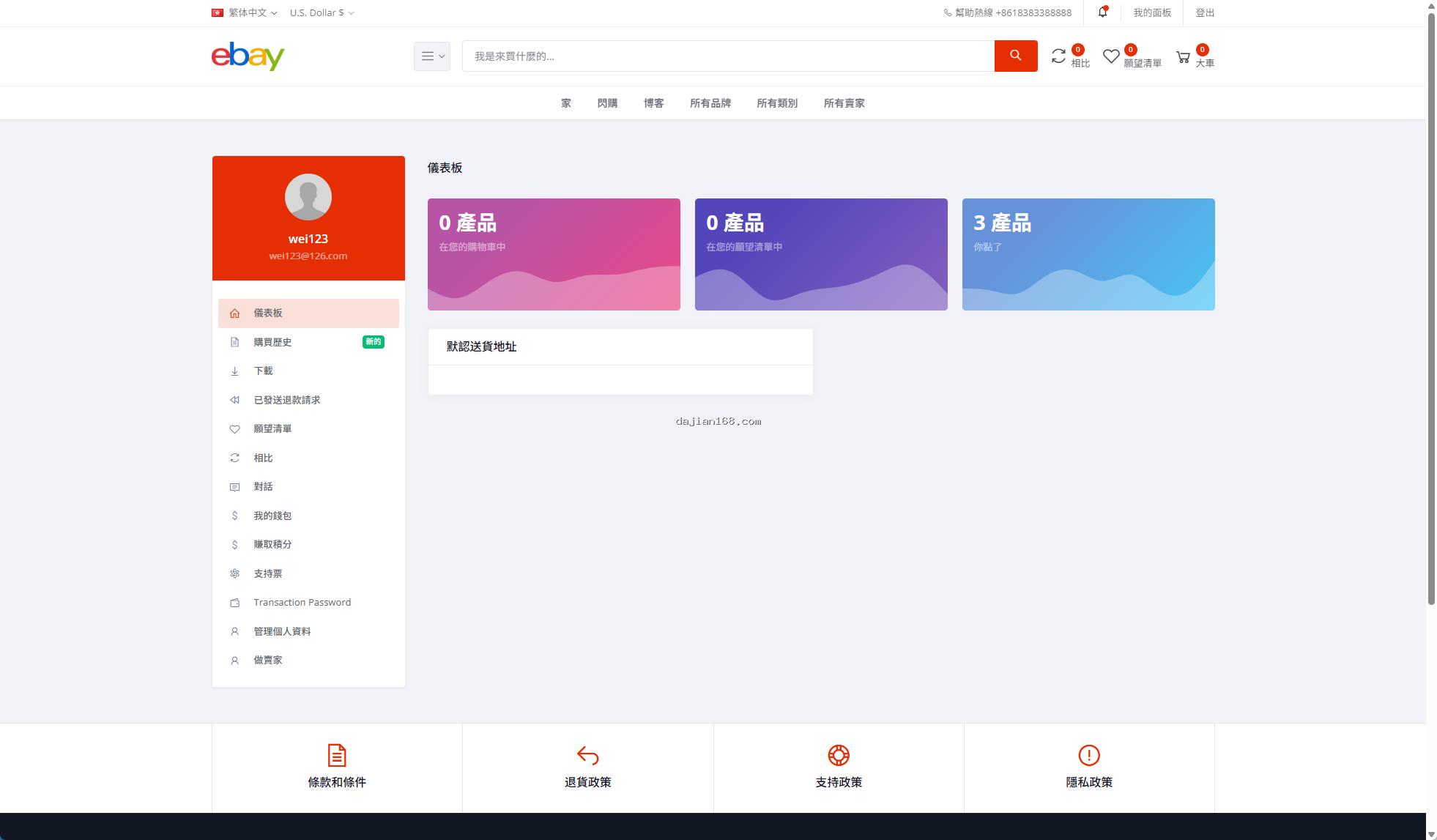
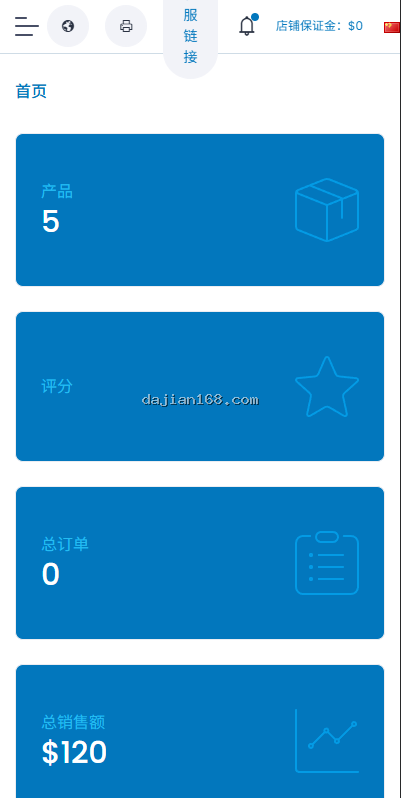
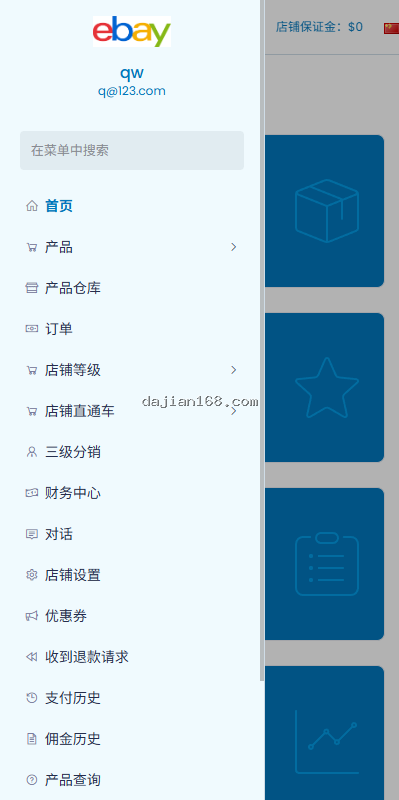
- Order Management System: Supports bulk shipping, refund requests, and after-sales tickets with a clean admin interface
- Built-in SEO Optimization: Auto-generates structured data (Schema.org) for each product page, fully compliant with Google indexing standards
- Multiple Payment Gateways: Stripe, PayPal, direct credit card, and cryptocurrency payments all integrated
2. Pre-deployment Checklist
Prepare these items before starting deployment to avoid getting stuck halfway through:
- ✅ Server: Minimum 2 CPU cores and 4GB RAM, 5Mbps+ bandwidth; US West Coast or European nodes recommended for targeting Western markets
- ✅ Domain: Use an overseas-registered .com domain; domestically registered domains may have access restrictions in some countries
- ✅ SSL Certificate: Cross-border payments require HTTPS; a free Let’s Encrypt certificate is sufficient
- ✅ PHP Version: System requires PHP 7.4+, PHP 8.0 recommended
- ✅ MySQL: Version 5.7 or 8.0 both work
- ✅ Source Code Package: Obtain the complete source code and database files
- ✅ Payment Accounts: Apply for Stripe or PayPal merchant accounts in advance — approval takes several business days
- ✅ Logistics Accounts: If you need shipping label functionality, contact logistics providers to enable API access
3. Common Issues and Pitfalls
3.1 Image Upload Failures
This is one of the most frequently encountered problems. The root cause is usually upload size limits being too small in the server’s php.ini. Fix it by modifying:
upload_max_filesize = 50M
post_max_size = 50M
max_execution_time = 300
After making changes, remember to restart PHP-FPM, not Apache.
3.2 Multi-language Font Display Issues
If Arabic or Japanese text appears as squares after deployment, check whether the corresponding character sets are installed on the server:
apt-get install fonts-noto-cjk fonts-noto-color-emoji
Then clear browser cache and retest.
3.3 One-Click Listing to AliExpress Failures
Incorrect API key input is the most common cause. Additionally, AliExpress requires product titles not to exceed 128 characters, and images cannot contain watermarks — these were all pitfalls I encountered firsthand. Recommended approach: run through the test mode first before going live.
3.4 Payment Callback URL Issues
Stripe’s Webhook URL format must match exactly — even an extra slash can cause callback failures. Correct format:
https://yourdomain.com/pay/stripe/callback
4. Customization and Extension Options
If the standard system features cannot meet your business requirements, consider these customization directions:
- Brand Customization: Modify front-end UI style, color scheme, and logo to create an independent brand identity; estimated cost 1,000-3,000 CNY
- Platform-specific Integration: Need to connect with niche platforms like Wish or Etsy? Custom API integration modules can be developed
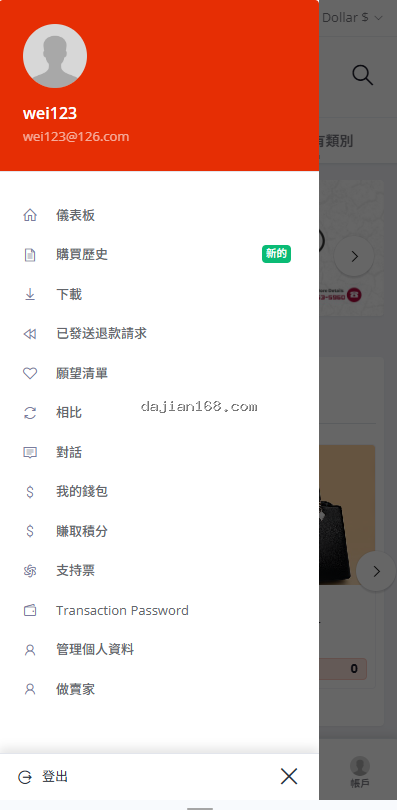
- Member Points System: A key feature for improving user retention — supports points redemption, referral cashback, and similar mechanics
- Data Analytics Module: Integrate Google Analytics 4 for conversion funnel analysis and user behavior tracking
- Messaging Marketing: Integrate overseas IM tools like WhatsApp and Line, supporting bulk promotional message delivery
Important Notice: Cross-border e-commerce involves compliance requirements in various countries. It is strongly recommended to research tax regulations in your target markets (such as EU VAT), data protection laws (such as GDPR), and platform terms of service in advance to avoid account suspension or penalties due to compliance issues.
5. Frequently Asked Questions
Q: Which countries’ buyers does this system support?
A: In theory, buyers from around the world can make purchases, as the system includes multi-language and multi-currency support. However, some regions (such as North America and Europe) have additional tax reporting requirements for foreign sellers — consulting a professional advisor in advance is recommended.
Q: Could one-click product listing lead to platform account bans?
A: If listed content is low-quality, images contain watermarks, or titles are duplicated, there is indeed a risk of demotion or account suspension. It is recommended to optimize product titles, descriptions, and images before listing — do not simply copy and paste content directly.
Q: Can I do secondary development after purchasing the source code?
A: Yes, the source code is completely open. The tech stack is PHP + Vue, which developers with basic skills can handle. If you need custom features, it is recommended to keep a backup of the original version and make modifications on a copy.
Q: Does the system have anti-fraud and anti-cheating features?
A: There is basic IP restriction and device fingerprinting, but if your platform reaches a significant scale, integrating a professional risk control service (such as Tongdun or Tiger Data) is recommended to ensure data authenticity.
Source Reference
This article was created based on real deployment experience. Reference source: Optimized Overseas Mall System / Multi-language Cross-border E-commerce Source Code / One-Click Listing
#CrossBorderEcommerce #MultiLanguageShoppingMall #OverseasMallSourceCode #OneClickListing #EcommerceSystemDevelopment
-
 支付宝扫一扫
-
 微信扫一扫
微信扫一扫