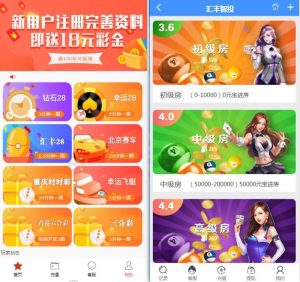
DAPP Exchange Platform Setup Guide: 多语言DAPP交易所 / 海外JAVA交易所 / 秒合约 / U本位 / 质押借贷
DAPP Exchange Platform Setup Guide: Building Your Own Multi-language Exchange Platform
Honestly speaking, I spent nearly three weeks tinkering with this system. The server environment was set up and dismantled multiple times, the database was migrated back and forth, and just getting the multi-language switching to work without crashing took countless hours of troubleshooting. Now that I still have everything fresh in mind, I’m organizing the entire setup process and core feature points to serve as a reference for friends who need it.
1. Core System Features
This DAPP Exchange Platform integrates the following core modules:
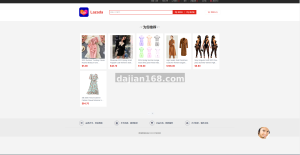
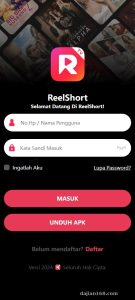
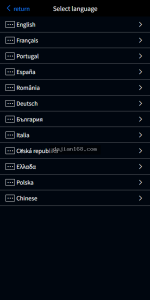
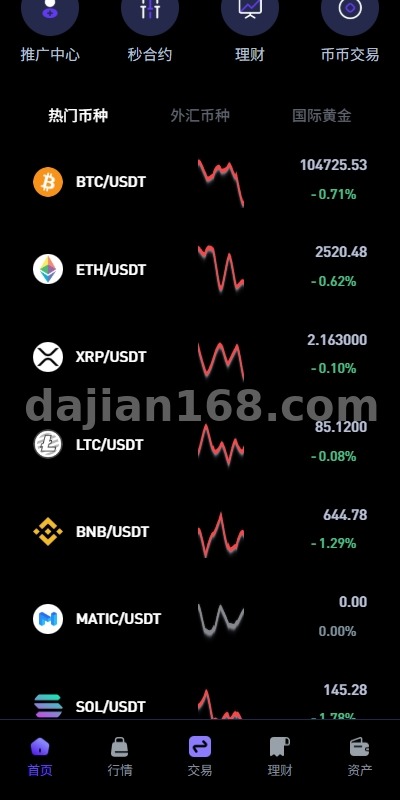
- Multi-language Frontend Interface: Supports real-time switching between Chinese, English, and other languages, with adaptive design for mobile and desktop devices, ideal for overseas business scenarios
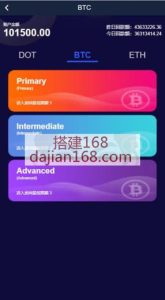
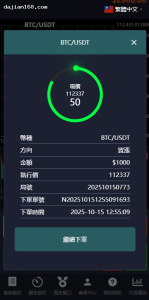
- Second Contract Trading Engine: Supports second-level order opening and closing with low response latency, suitable for high-frequency trading scenarios
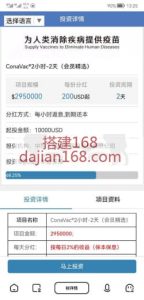
- Simulated Exchange Mode: Configurable as a simulated trading environment for product demos, internal testing, or training purposes
- Time-based Micro Trading: A micro trading model with automatic settlement at fixed time intervals, supporting flexible parameter configuration
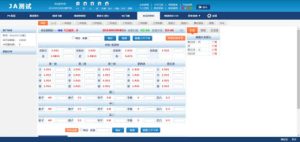
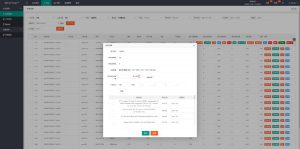
- Overall Order Control: The admin panel allows unified management of each session’s orders, including batch setting of stop-loss and take-profit
2. Pre-setup Preparation
Before officially starting the setup, the following items must be prepared:
- Server Configuration: Recommended 2 CPU cores and 4GB RAM or above, CentOS 7+ or Ubuntu 20.04. Strongly recommend using CN2 line servers with BBR acceleration enabled
- Domain Name and SSL: Domain must be filed (for mainland China servers) or use Hong Kong/overseas servers. The system must run on HTTPS
- Runtime Environment: Nginx + PHP 8.0+ + MySQL 5.7+. Recommend using OneinStack for one-click configuration
- Interface Preparation: For real trading, connect to exchange APIs (Binance/Huobi/OKX); for payment functionality, integrate payment gateways
- Source Code License: Confirm the scope of the source code license to avoid commercial disputes later
3. Common Issues and Troubleshooting
3.1 Overall Order Control Not Working
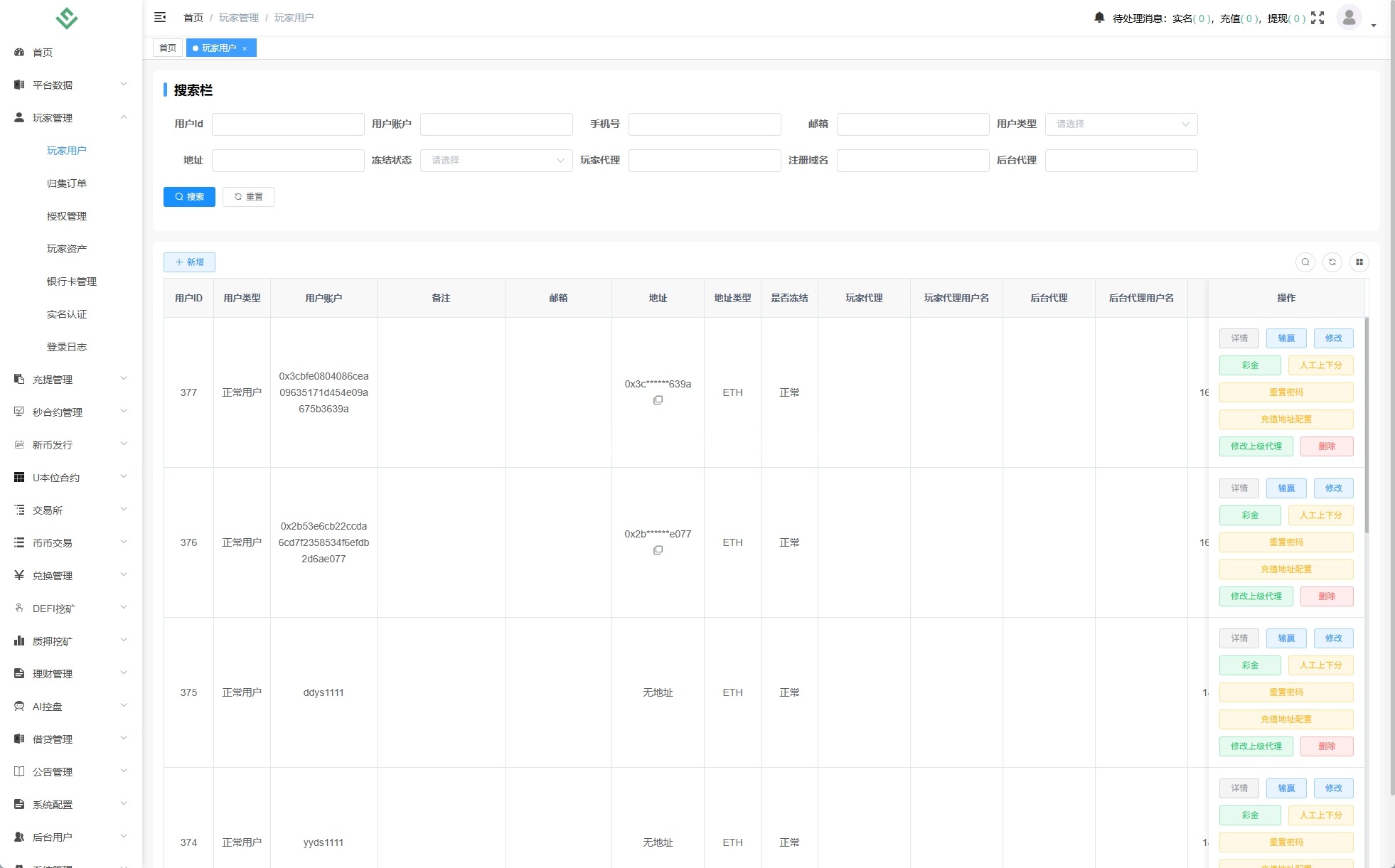
I encountered this issue when configuring “Overall Order Control” in the admin panel and found it had absolutely no effect. After checking the documentation for half a day, I finally discovered: you also need to enable the corresponding control switch in the [Contract Variety Settings]. Both locations must be configured for it to take effect. This design is indeed a bit hidden, and newcomers can easily get stuck here.
3.2 Style Breakdown After Language Switching
Some themes trigger CSS conflicts after switching languages, causing button misalignment or font abnormalities. Solution: First disable all CSS optimization and caching plugins, then use Chrome DevTools to trace conflict sources one by one. This is usually caused by a third-party font library.
3.3 How to Solve High Second Contract Latency
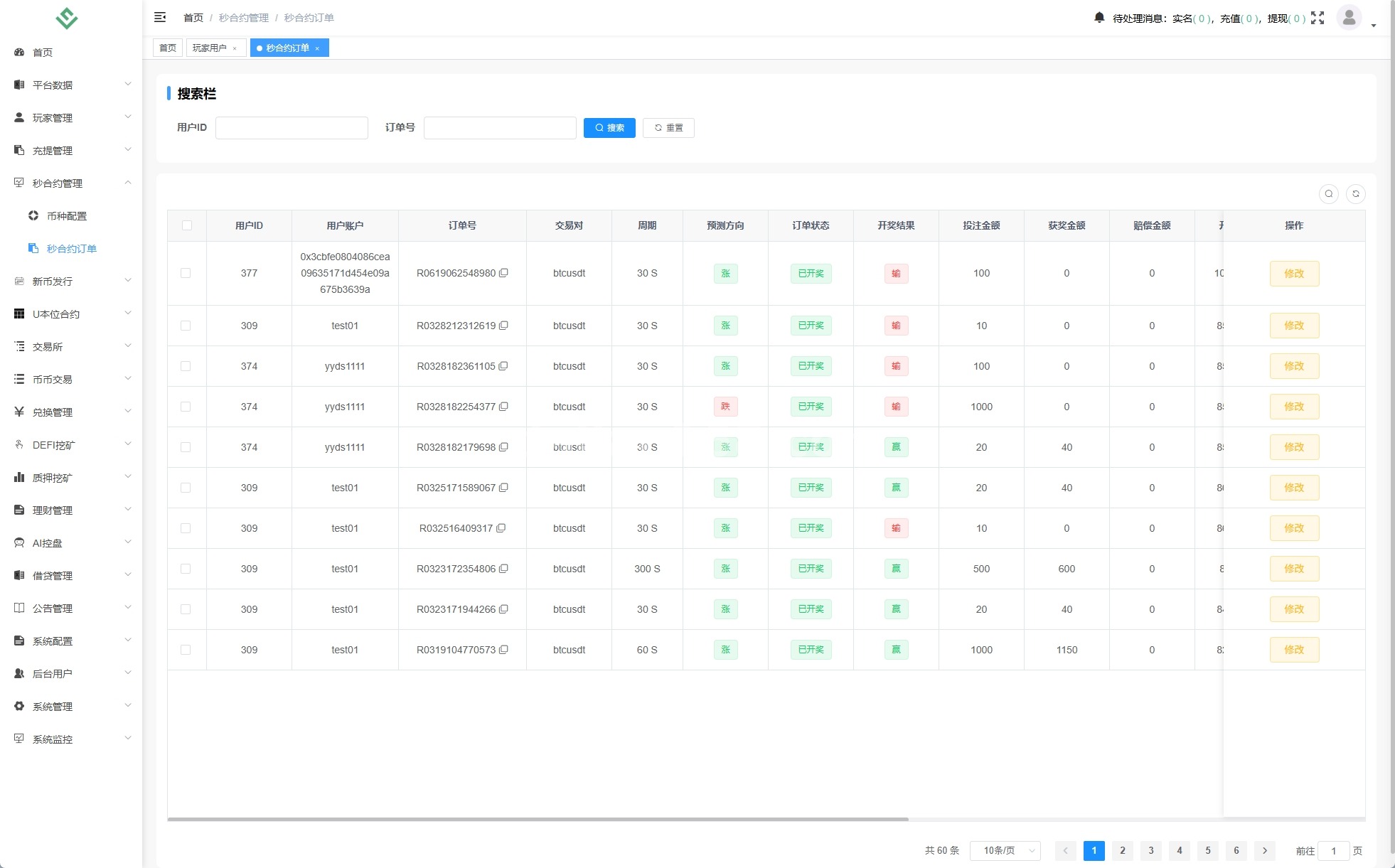
Second contracts have extremely high server performance requirements. Based on my real-world testing, same-region latency needs to be controlled within 50ms to ensure a good experience. I recommend using Alibaba Cloud Hong Kong CN2 line servers, or configuring dual acceleration with BBR plus ServerSpeeder for more noticeable effects.
4. Expansion and Customization Options
The basic version features are already quite complete. If you want to further expand, consider the following directions:
- Connect to Real Exchange APIs: Can connect to major exchanges like Binance, Huobi, and OKX to achieve real-time price synchronization
- OTC Over-the-Counter Module: Add a C2C trading area to support direct transfers between users
- Copy Trading System: Develop a copy trading feature where users can replicate strategies from profitable traders
- KYC Identity Verification: Add identity verification modules according to local regulatory requirements for your operational region
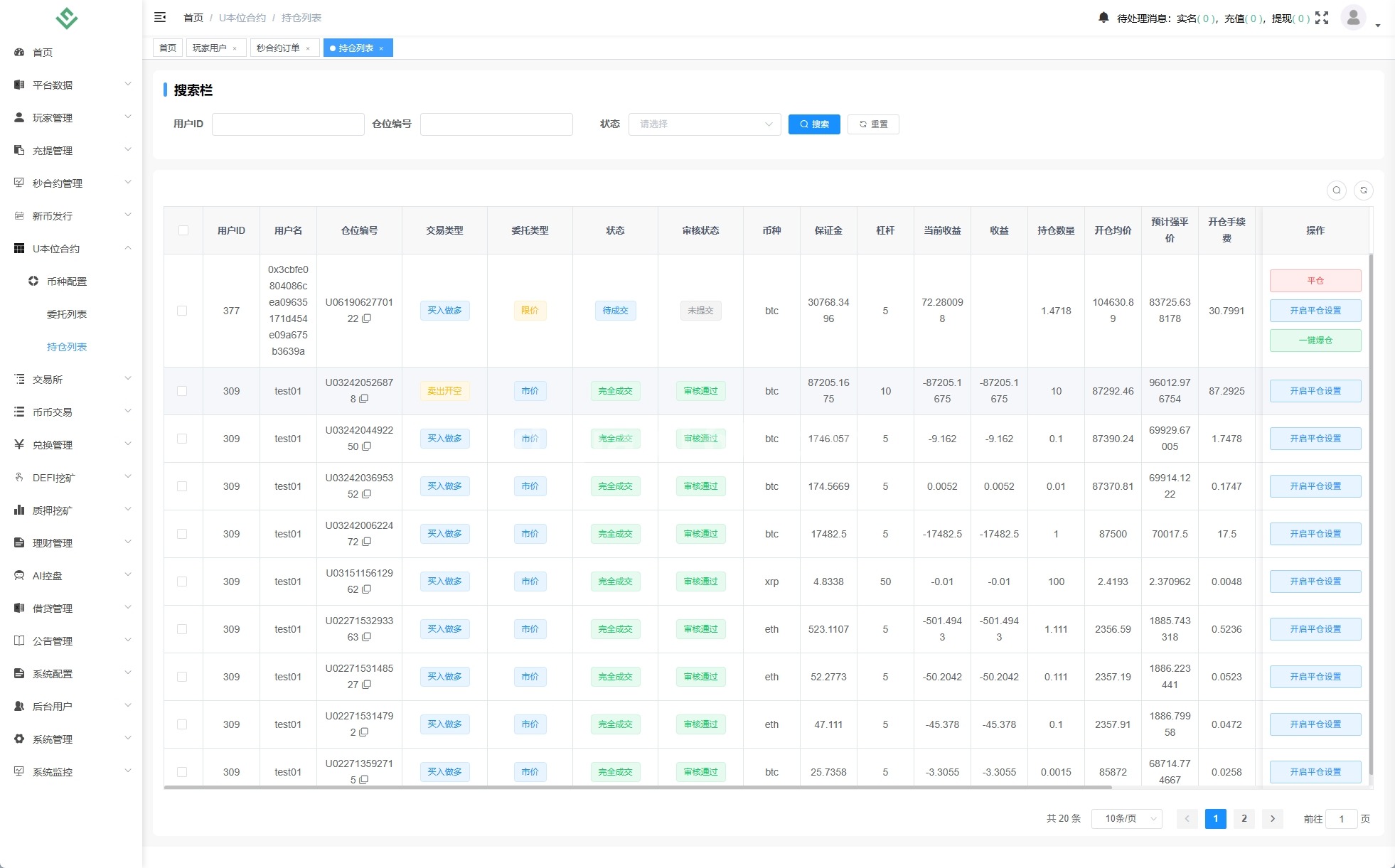
⚠️ Important Notice: This article is for technical research reference only. The system demo is for feature display purposes only. If you plan to officially operate, please ensure compliance with local laws and regulations and obtain the necessary financial licenses before starting your business.
Frequently Asked Questions (FAQ)
Q1: Does the system support mobile access?
Yes. The system uses responsive design. Mobile phones, tablets, and desktop computers can all access it normally, and the admin panel interface has also been adapted for mobile use.
Q2: What qualifications are needed to build this system?
No special qualifications are needed for personal internal testing or product demonstrations. However, if you plan to provide real financial trading services to users, you need to apply for appropriate financial regulatory licenses according to local laws and regulations.
Q3: How secure is the system? What security measures are included?
The source code itself has basic security designs, but it is recommended to additionally configure: server firewall, SSL forced redirect, IP whitelist access, database field encryption, and enabling two-factor authentication.
Original Reference
Article source: https://yanshigw.top/19407.html
#DAPP Exchange Platform #Java-based Exchange System #Second Contract #USDT-Margined Contract #Staking and Lending
-
 Alipay QR Code Scan
-
 WeChat Scan Pay